


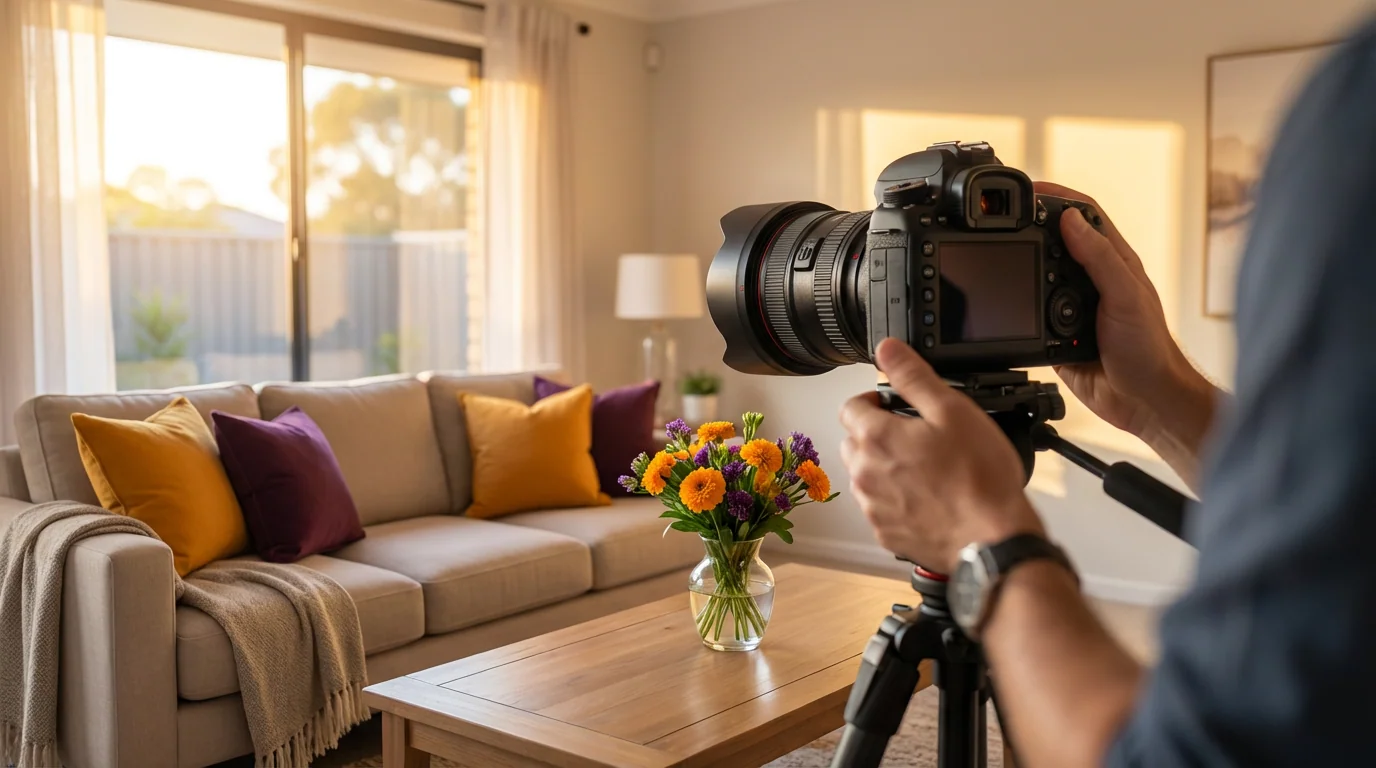
Engagement
2.3x
Longer page views when the listing photography is strong
Expectation
78%
Buyers who expect high-quality photos before they enquire
Coverage
15+
Recommended shots across hero, feature, and lifestyle images
Reality
First Photo
The image that usually decides whether buyers keep scrolling
Overview
What this article covers
- 01How to plan the shot list before the photographer arrives
- 02What good lighting and composition actually look like
- 03How to approach living rooms, kitchens, bedrooms, and bathrooms differently
- 04What equipment, preparation, and final checks matter most
Your Photo Plan
Most photo shoots go wrong before the camera comes out. The best listings are planned in layers: essential shots first, feature highlights second, and lifestyle images last.
- Essential shots. Capture the eight core images every buyer expects: front elevation, main living zone, kitchen, primary bedroom, best bathroom, outdoor area, and the two next strongest spaces.
- Feature highlights. Add four images that sell what is special about the property, whether that is the alfresco area, storage, a renovated kitchen, or the block size.
- Lifestyle shots. Finish with three images that make the home feel aspirational rather than merely documented.
Get the Lighting Right
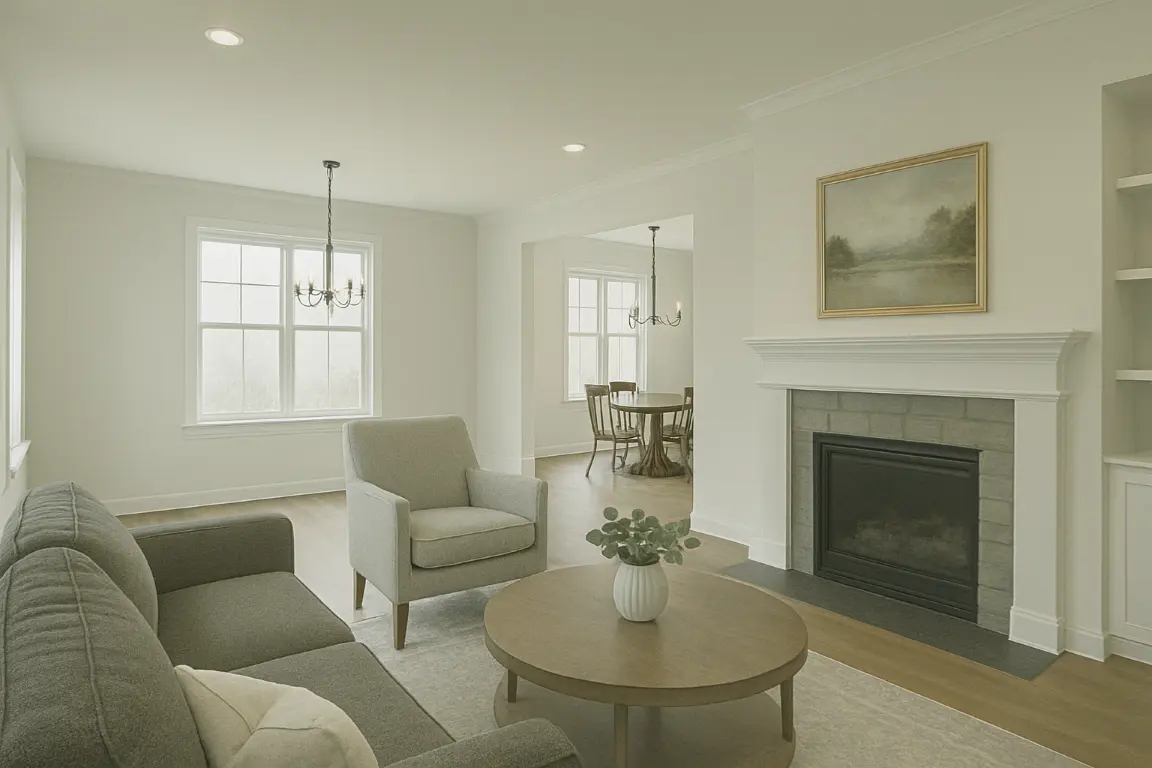
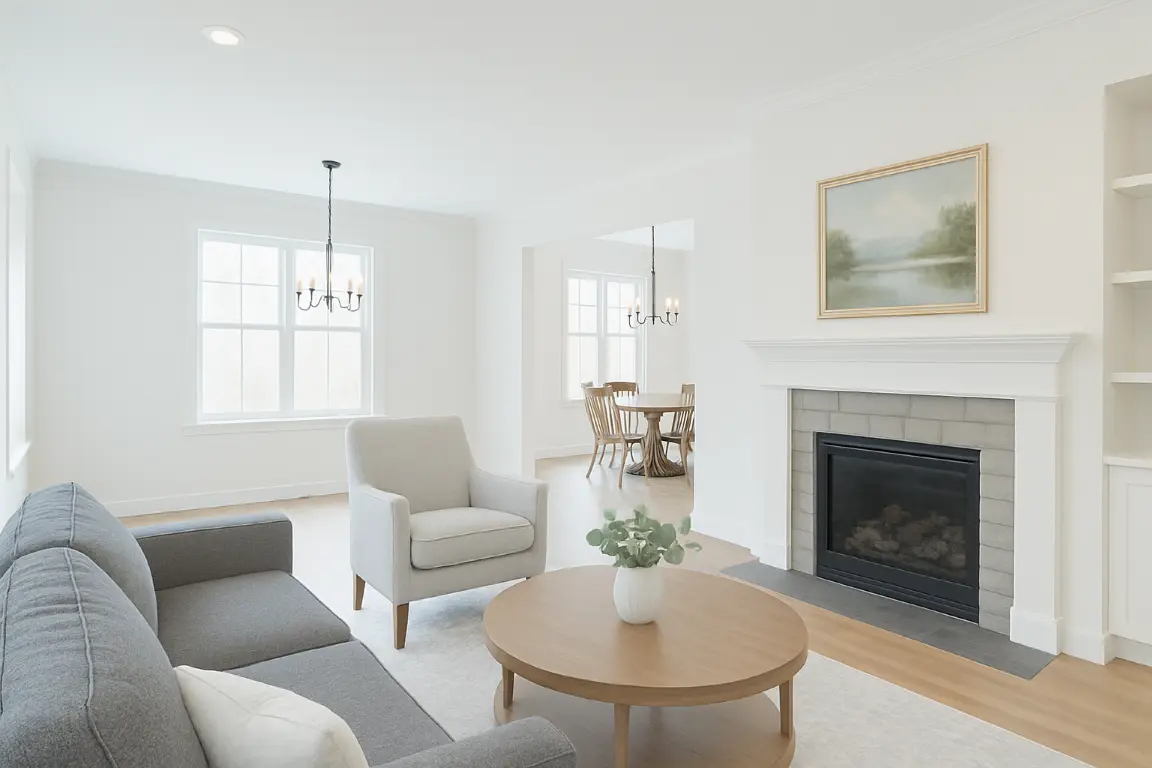
Good lighting makes rooms feel larger, warmer, and more expensive. Bad lighting makes even a good property feel flat.
Lighting
Natural light rules
- Early morning and late afternoon usually give the softest, most flattering exterior light.
- Overcast days are often ideal for exteriors because they remove harsh shadows.
- Open blinds fully, clean the glass, and remove screens temporarily where practical.
- Bracket key shots so you can hold both the interior and the window view.
Lighting
Indoor light rules
- Turn every practical light on so the home feels warm and lived in.
- Avoid direct flash into the room; bounce it if you need fill.
- Lift dark corners with multiple light sources rather than one harsh one.
- Keep bulb colour temperature consistent from room to room.
Example
Harsh and unwelcoming
Example
Balanced and inviting
Frame It Properly
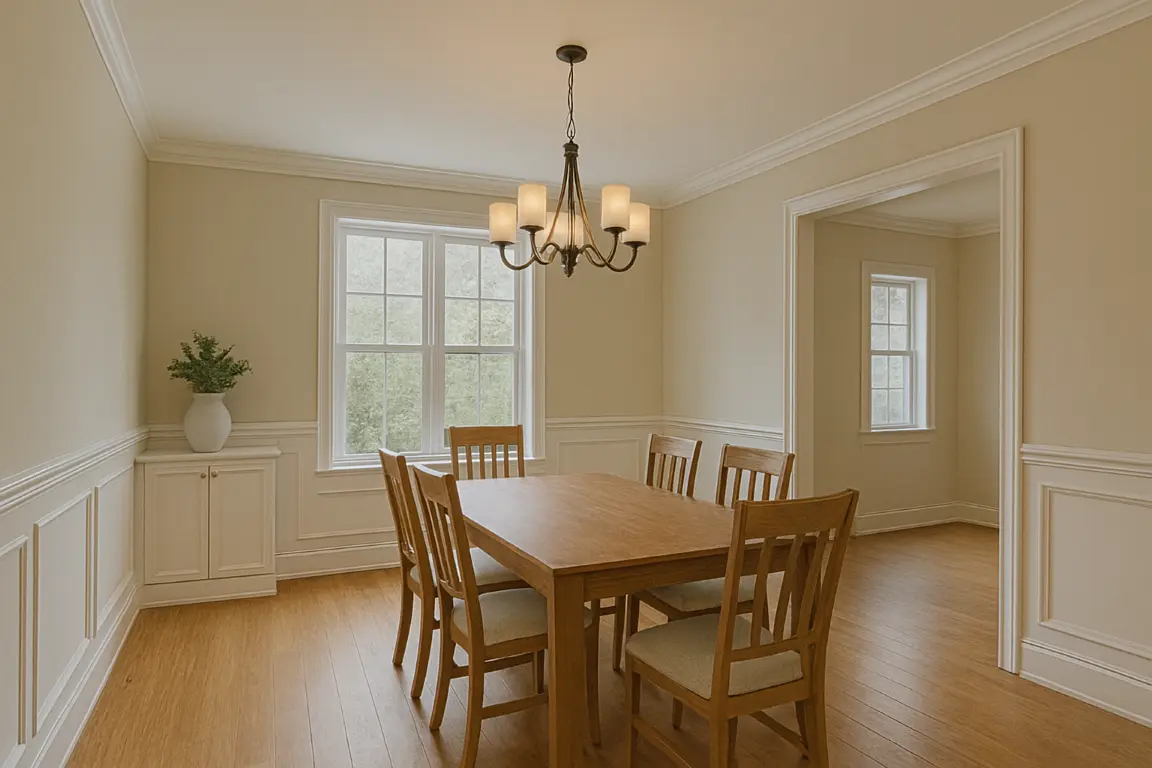
Composition decides whether a room looks generous or cramped. Most amateur property photos fail here, not because the home is bad, but because the framing is careless.
Composition
Essential framing rules
- Shoot from corners at around chest height to create depth.
- Keep vertical lines straight so the room does not feel distorted.
- Use flooring, benches, hallways, or windows to guide the eye.
- Let the strongest feature anchor the frame instead of clutter.
Example
Proper composition
Room-by-Room Guide
Each room should answer a different buyer question. Treat them as four different briefs, not one generic photography task.
Living Areas
Show flow, light, and function
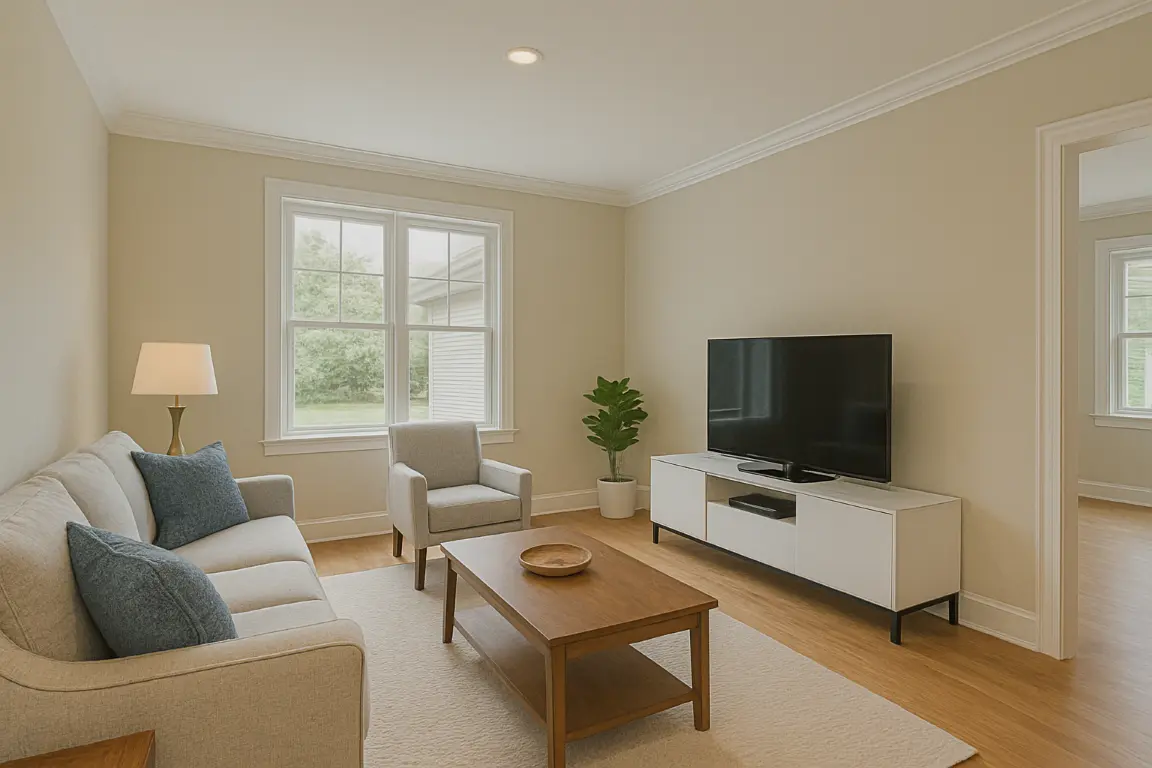
Living areas
What to capture
- How the room connects to adjoining spaces
- Special features such as windows, ceilings, or fireplaces
- Furniture arrangements that show how the room works
- Any outdoor connection or view
Prep checklist
- Remove clutter and personal items
- Create clear paths through the furniture
- Use a small amount of styling rather than lots of accessories
- Clean the windows so the view is visible
Kitchen
Make the kitchen feel valuable
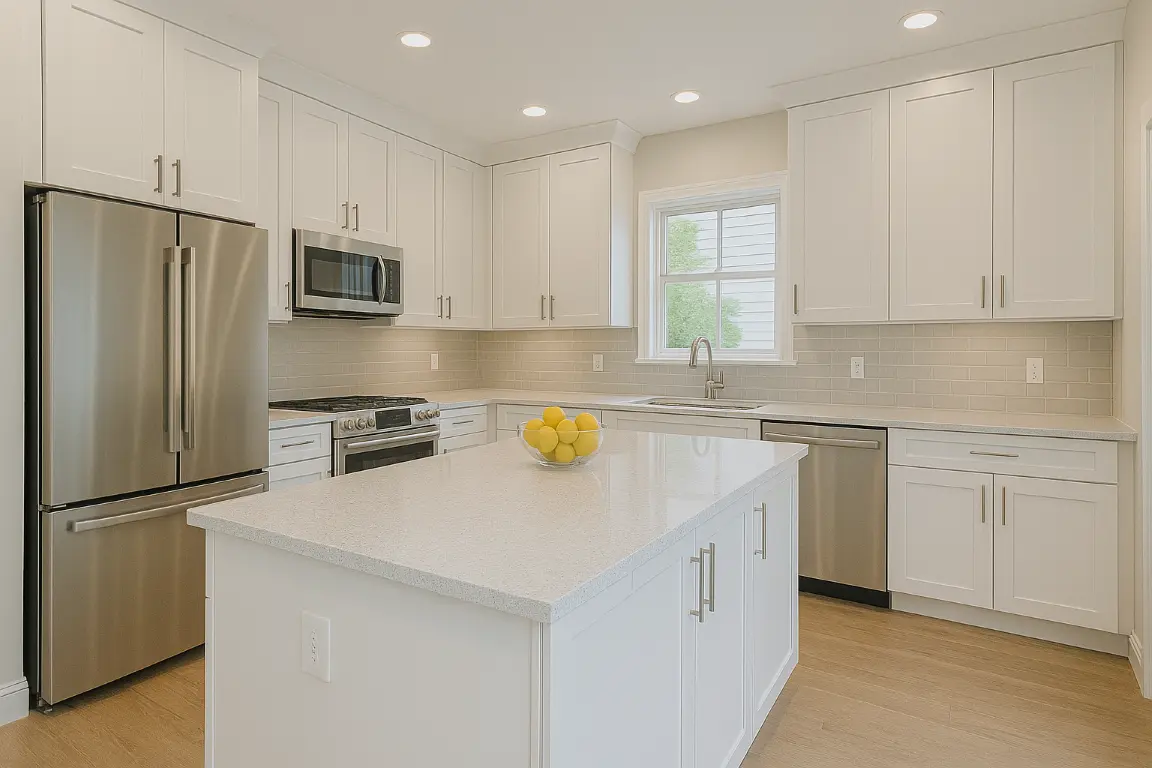
Kitchen
What to capture
- Bench space and surface quality
- Appliance integration
- Storage and pantry strength
- How the kitchen connects to dining or entertaining zones
Prep checklist
- Clear the benches except for one or two intentional items
- Remove magnets, notes, and personal clutter
- Polish every reflective surface
- Hide soap, sponges, and cleaning products
Bedrooms
Sell calm and space
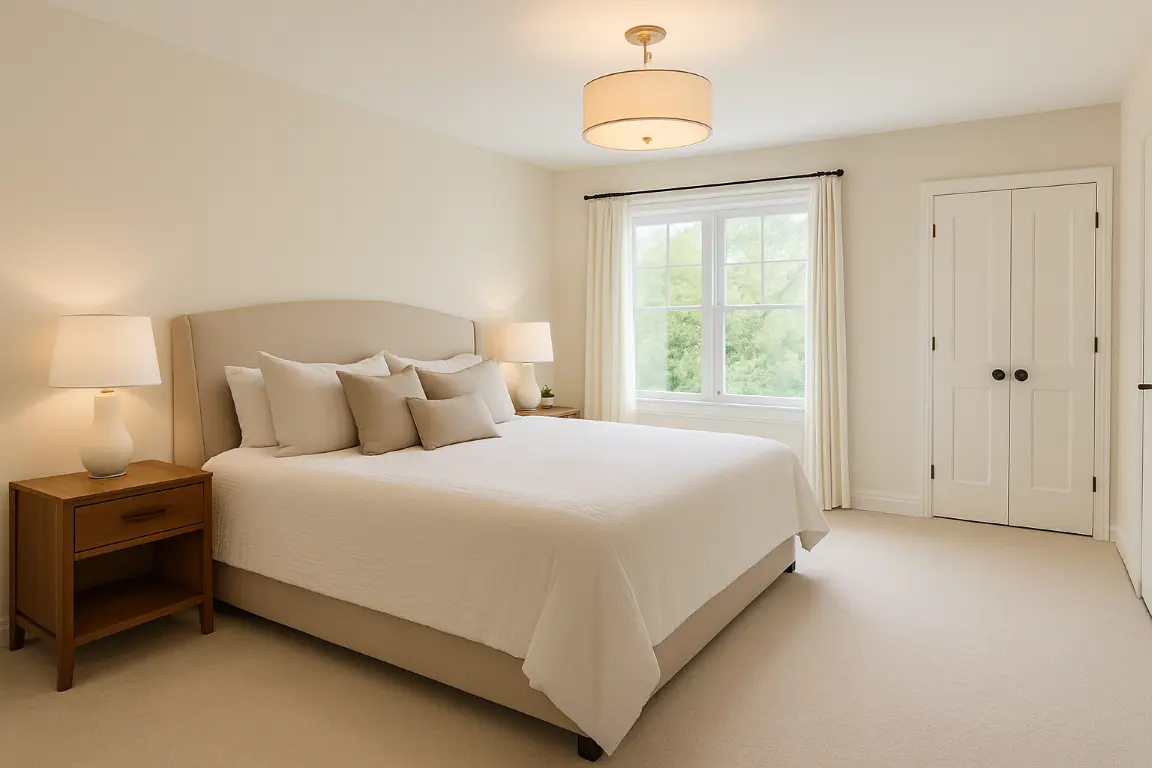
Bedrooms
What to capture
- The actual sense of space around the bed
- Storage and wardrobe usability
- Natural light and privacy
- Any ensuite or retreat-style feature
Prep checklist
- Make the bed properly with neutral bedding
- Strip personal items from bedside surfaces
- Keep the floor visible and clear
- Add only enough styling to avoid the room feeling empty
Bathrooms
Cleanliness is the whole story
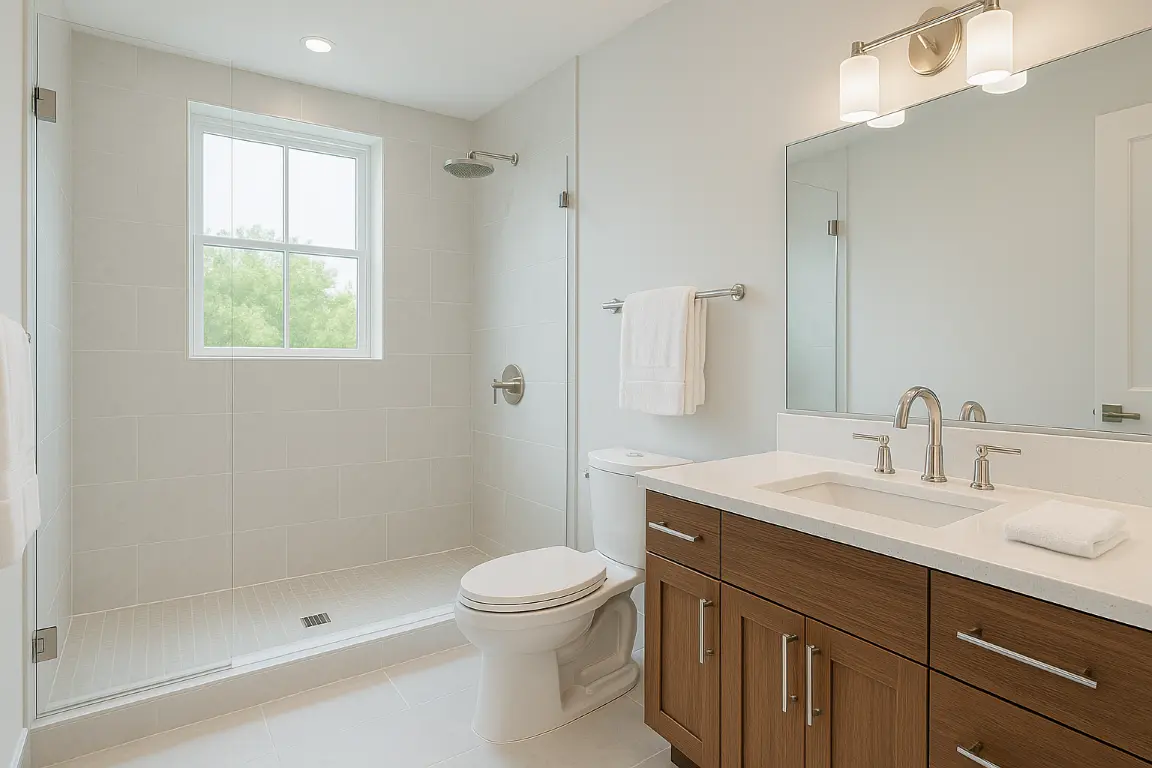
Bathrooms
What to capture
- Fixtures and finishes
- Shower, bath, and vanity space
- Storage where it matters
- A frame that avoids unwanted reflections
Prep checklist
- Remove all personal products
- Close toilet lids and tidy shower screens
- Make mirrors and glass spotless
- Use fresh towels and one restrained decorative detail
Common Mistakes to Avoid
Mistake
Technical errors
- Wonky walls and tilted frames
- Blurred shots from shaky hands or low light
- Poor white balance and inconsistent colour
Mistake
Framing problems
- Catching yourself in mirrors
- Cutting off the room's best features
- Shooting from angles that make the room feel awkward
Mistake
Preparation issues
- Leaving clutter or personal items in frame
- Relying on harsh direct flash
- Trying to photograph before the room is fully staged
Your Photo Shoot Checklist
Before
Before you shoot
- Know the property's selling points before building the shot list.
- Plan the hero shots first, then feature images, then lifestyle shots.
- Pick a day and time that supports the light you want.
During
During the shoot
- Stage each room properly before pressing the shutter.
- Review exposure, focus, and framing as you go.
- Shoot multiple angles so you can be selective later.
Equipment and Enhancements
Gear
What you need
Phone photography
- A recent smartphone with a strong camera
- A tripod or stabiliser
- A decent wide-angle attachment if the rooms are tight
Step-up setup
- A DSLR or mirrorless camera
- A wide-angle lens around 10-24mm
- A sturdy tripod with a level
Enhancement
What editing can fix
- Colour correction and white balance
- Straightening lines and perspective
- Virtual staging for empty rooms
Editing should clean the image up, not disguise the property. If the photo looks dramatically better than the house feels in person, you have created a trust problem.
Related Articles
12 Property Sale Mistakes That Cost Perth Sellers Thousands
Overpricing, bad photos, emotional negotiations, skipping legal review. These 12 mistakes cost Perth sellers thousands. Learn what to avoid before you list.
How to Sell Your Home in Perth: Complete WA Sellers Guide
Everything you need to know about selling property in Perth, from preparing your home and choosing an agent to signing contracts and getting to settlement.
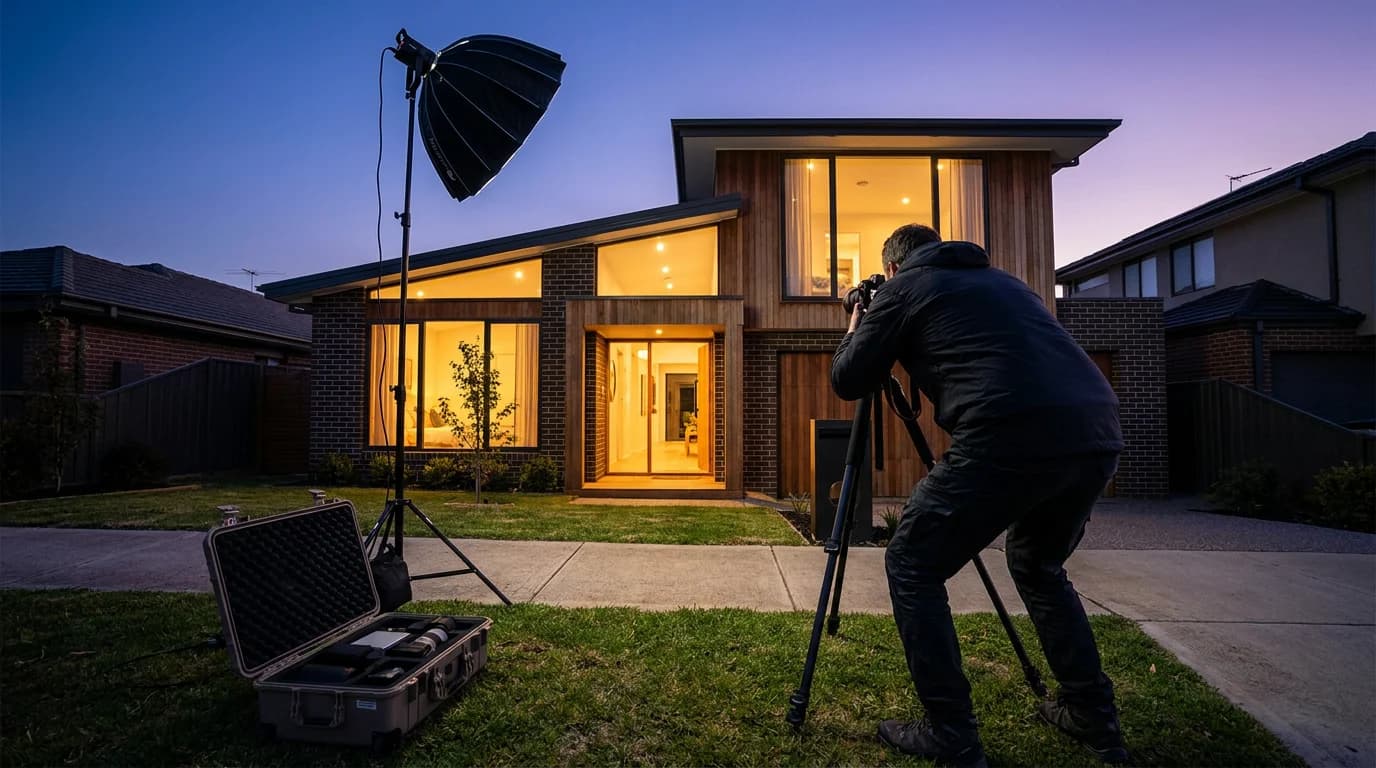
Real Estate Advertising Fees Perth: $3,000–$5,500 Upfront (VPA)
Compare real estate advertising fees in Perth: photography, floorplans, portal listings and signs. Learn what is included, what is optional and what to ask.
Ready to sell smarter?
One fixed fee. No percentage commission. No surprises at settlement.